Avoid These 8 Mistakes When Pressure Cleaning at Home
Living in the Northern Rivers region, homeowners in Lismore face a unique set of property maintenance challenges. The local climate—characterised by humid summers, frequent rainfall, and warm temperatures—creates the ideal environment for moss, mold, mildew, and lichen to thrive on https://rylankdvq184.northstarcolumn.com/posts/diy-vs-professional-pressure-cleaning-costs-and-risks outdoor surfaces. While hiring or buying a pressure washer seems like a straightforward DIY solution for weekend maintenance, high-pressure equipment can cause serious property damage and personal injury when used incorrectly. To protect your home and achieve pristine results, avoid these eight common pressure cleaning mistakes.
1. Using Excessive Pressure on Sensitive Materials
One of the most frequent errors DIY operators make is assuming that more pressure always equals a better clean. Household surfaces vary significantly in density and structural strength. Using an industrial-grade pressure level on delicate surfaces can lead to irreversible damage. For instance, high pressure can strip the protective finish off timber decks, etch decorative concrete, splinter outdoor furniture, and dislodge pointing between brickwork.
In Lismore, where many older timber homes and heritage surfaces exist, modern exterior cleaning standards in 2026 strongly favor soft washing—a technique combining eco-friendly cleaning detergents with low-pressure rinsing—over brute force.
2. Selecting the Incorrect Nozzle Tip
Pressure washer nozzles are color-coded to designate the angle and intensity of the spray pattern. Using the wrong nozzle can turn your equipment into a cutting tool that slices through materials rather than cleaning them.
- Red Tip (0 degrees): Delivers a pinpoint stream capable of gouging concrete, cracking pavers, and penetrating rubber seals. This tip is rarely appropriate for residential surface cleaning.
- Yellow Tip (15 degrees): Suitable for heavy-duty stripping of unpainted, hard masonry, but still too aggressive for most exterior walls.
- Green Tip (25 degrees): The standard choice for general driveway and pathway washing.
- White Tip (40 degrees): Ideal for washing vehicles, painted weatherboards, and outdoor furniture.
- Black Tip (65 degrees): A low-pressure spray designed specifically for applying chemical solutions and detergents.
3. Overlooking Runoff and Stormwater Regulations
Lismore is situated within the ecologically sensitive Wilsons River catchment. Environmental regulations enforce strict standards regarding chemical runoff entering public stormwater systems. Washing grease, oils, or harsh biocides down local gutters can result in substantial fines and harm local aquatic ecosystems.
Always inspect surface drainage pathways before beginning. Divert water onto garden beds or permeable soil where appropriate, and choose biodegradable, phosphate-free cleaning agents that comply with current 2026 Australian environmental guidelines.
4. Blasting Water Behind Siding and Weatherboards
Holding the spray wand at an upward angle toward cladding or weatherboards forces pressurized water beneath the horizontal seams. Water trapped behind exterior walls saturates insulation, rots structural timber framing, and provides a breeding ground for black mold inside wall cavities.
When washing vertical walls, always maintain a slightly downward trajectory. Work methodically from the top of the structure down to ensure runoff does not streak over freshly cleaned sections.
5. Neglecting Personal Protective Equipment (PPE)
Domestic pressure washers can generate pressures between 1,500 and 4,000 pounds per square inch (PSI). At this velocity, water jets can break the skin, cause severe lacerations, and inject contaminated water deep into subcutaneous tissue—a medical emergency requiring urgent attention.
Avoid working in shorts and thongs. Essential safety gear includes heavy-duty enclosed footwear or rubber boots, protective safety goggles, durable long pants, and non-slip gloves to maintain control of the trigger gun.
6. Cleaning Without Pre-Treating Biological Growth
Blasting persistent organic buildup such as black algae or lichen with water alone often leaves the spores embedded within porous pavers and concrete. While the surface may look clean immediately afterward, the spores will rapidly regenerate in Lismore's warm, humid climate.
Applying an appropriate anti-microbial detergent prior to pressure cleaning loosens the organic bond and neutralizes spores at root level. This step allows you to use significantly less water pressure, minimizes surface wear, and keeps outdoor areas clean for a much longer period.
7. Spraying Electrical Fittings and Solar Panels
High-pressure water poses severe risks to outdoor electrical components. Directing a stream toward external power points, meter boxes, lighting fixtures, or air conditioning units can cause short circuits, electrical fires, and electrocution hazards.


Similarly, using high pressure on rooftop solar panels can fracture the tempered protective glass or break the silicone perimeter seals, voiding manufacturer warranties. Solar arrays should only be cleaned using low-pressure, specialized deionized water systems.
8. Failing to Maintain Consistent Wand Distance
Inconsistent technique produces an uneven, zebra-striped pattern across driveways and paths. Holding the spray tip too close to the surface creates visible gouge marks, while pulling it too far away reduces cleaning efficacy.
- Maintain a steady distance of 25 to 30 centimeters between the spray tip and the surface.
- Keep the wand moving continuously; never linger in one spot.
- Overlap each stroke by approximately 30 percent to prevent visible lines.
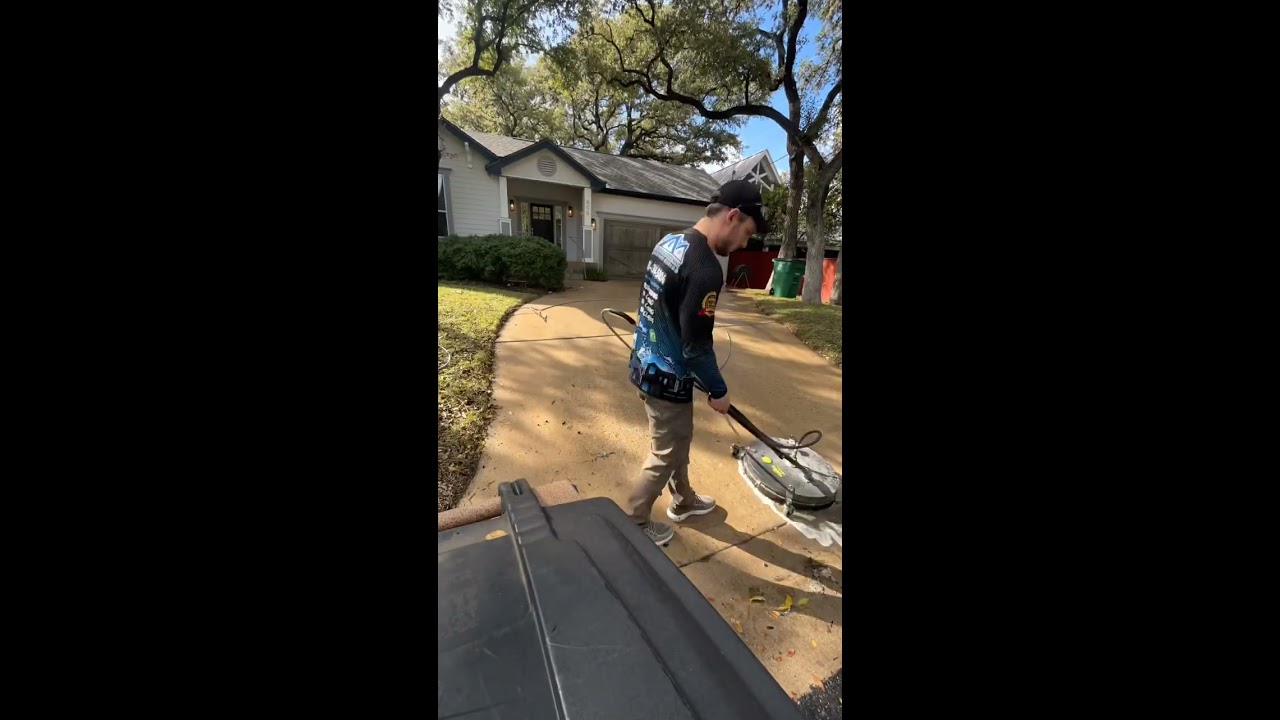
- Consider using a dedicated rotary surface cleaner attachment for large, flat areas like driveways to ensure uniform results.
Ensuring Safe, High-Quality Results
Pressure cleaning is an effective way to restore curb appeal and extend the lifespan of exterior surfaces around your Lismore property. However, avoiding these common errors is critical to preventing costly property damage. If a cleaning project involves delicate heritage materials, steep rooflines, or high-risk areas, consulting experienced local cleaning professionals ensures the job is completed safely, efficiently, and in full compliance with local environmental standards.
Lismore Pressure Cleaning
(02) 6617 2969